


Yo, what's up everyone! I'm a supplier of PE plastic bags, and today I wanna talk about something that's been on a lot of people's minds: Are there any additives in PE plastic bags?
First off, let's get a bit of background on PE plastic. PE stands for polyethylene, which is one of the most commonly used plastics in the world. It's made from ethylene monomers, and it's known for being lightweight, flexible, and durable. PE plastic bags are used for all sorts of things, from grocery shopping to packaging products.
Now, the question of additives. The short answer is yes, there can be additives in PE plastic bags, but it really depends on the specific type of bag and its intended use. Let's break it down and take a look at some of the common additives and why they're used.
Anti - Oxidants
One of the most common additives in PE plastic bags is anti - oxidants. You see, over time, polyethylene can start to break down when it's exposed to oxygen and heat. Anti - oxidants help to prevent this degradation. They work by reacting with the free radicals that are formed during the oxidation process, which stops the chain reaction that leads to the breakdown of the plastic. This means that the PE plastic bags can maintain their strength and integrity for a longer period of time. For example, if you're using PE bags to store products that need to be kept for a while, anti - oxidants ensure that the bags don't become brittle and fall apart.
UV Stabilizers
Another important additive is UV stabilizers. When PE plastic bags are exposed to sunlight, the ultraviolet (UV) rays can cause damage to the plastic. UV stabilizers absorb or dissipate the UV energy, protecting the polyethylene from the harmful effects of sunlight. This is particularly important for bags that are used outdoors or are stored in areas where they'll be exposed to sunlight. For instance, if you're using PE bags to package agricultural products that are stored outside, UV stabilizers will help the bags stay in good condition.
Slip Agents
Slip agents are also commonly added to PE plastic bags. These agents reduce the friction between the layers of the plastic film. Without slip agents, the bags would tend to stick together, making it difficult to separate them when you need to use them. Slip agents make the bags easier to handle, whether you're opening them in a store or using them in a packaging process.
Anti - Static Agents
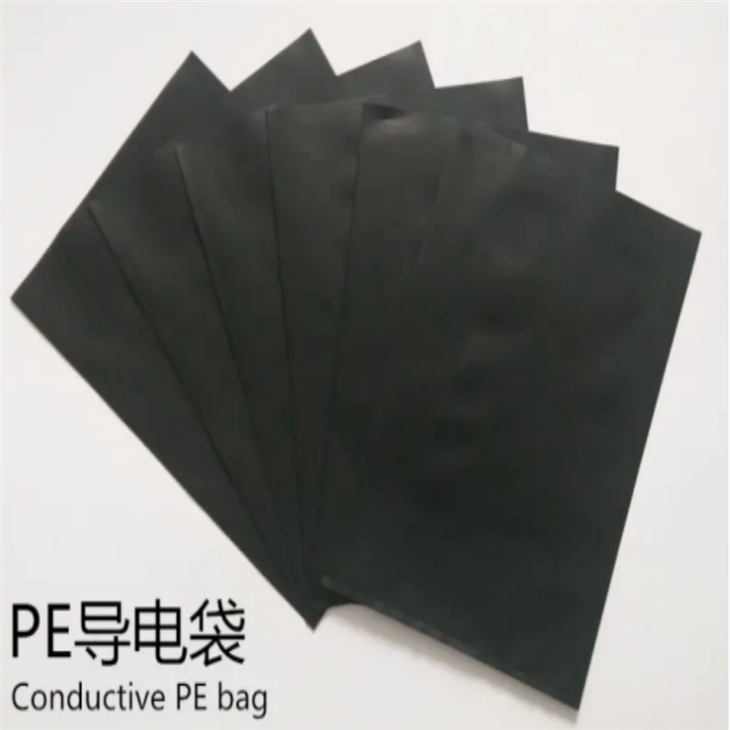
In some cases, PE plastic bags can develop static electricity. This can be a problem, especially if you're using the bags to package sensitive electronic components. Static electricity can cause damage to these components. Anti - static agents are added to the plastic to prevent the build - up of static charges. They work by making the surface of the plastic more conductive, so that any static charges can be dissipated. Check out our PE Conductive Packaging Bag which is designed with anti - static properties to safely package electronic items.
Flame Retardants
For certain applications, flame retardants are added to PE plastic bags. These additives are used to reduce the flammability of the plastic. If a fire breaks out, the flame retardants can slow down or even prevent the spread of the fire. This is crucial for bags that are used in environments where there's a risk of fire, such as in industrial settings. You can find our Flame Retardant Bags which are specially formulated with flame - retardant additives.
Anti - Rust Agents
When it comes to packaging metal products, anti - rust agents are added to PE plastic bags. These agents create a protective layer on the surface of the metal, preventing it from rusting. Our Anti - rust Three - dimensional Bag is a great example. It's designed to keep metal products safe from corrosion during storage and transportation.
Safety and Regulations
Now, you might be wondering if these additives are safe. The good news is that in most cases, the additives used in PE plastic bags are carefully regulated. They're required to meet strict safety standards to ensure that they don't pose a risk to human health or the environment. For example, food - grade PE plastic bags have to meet even more stringent requirements because they come into direct contact with food. The additives used in these bags are approved for food contact, so you can be confident that they're safe.
How We Ensure Quality
As a PE plastic bag supplier, I take quality very seriously. We work closely with our raw material suppliers to make sure that the additives we use are of the highest quality. We also conduct regular quality control tests on our products. This includes testing for the presence and effectiveness of the additives. We want to make sure that our customers are getting the best possible PE plastic bags that meet all their needs.
Conclusion
So, to sum it up, yes, there are additives in PE plastic bags, but they serve important purposes. Whether it's to protect the plastic from degradation, reduce friction, prevent static, or add special properties like flame retardancy or anti - rust, these additives play a crucial role in making the PE plastic bags more functional and reliable.

If you're in the market for high - quality PE plastic bags, whether you need them for packaging, storage, or any other purpose, I'd love to talk to you. We have a wide range of PE plastic bags with different additives to suit your specific requirements. Reach out to us to start a procurement discussion, and let's find the perfect PE plastic bags for your business.
References
- "Plastics Additives Handbook" by Hans Zweifel
- "Polyethylene: Structure, Blends, and Composites" by A. Ajji and S. Fakirov


