


Hey there! As a supplier of Blue Anti Rust Bags, I often get asked a bunch of questions about where and how these bags can be used. One question that pops up quite a bit is, "Can Blue Anti Rust Bags be used on copper?" Well, let's dig into this topic and find out.
First off, let's talk a bit about what Blue Anti Rust Bags are. These bags are a type of protective packaging designed to prevent rust and corrosion on metal surfaces. They work by releasing a vapor that forms a thin, invisible layer on the metal, which acts as a barrier against moisture, oxygen, and other corrosive elements. You can learn more about them here: Blue Anti Rust Bags.
Now, copper is a unique metal. It's known for its excellent conductivity, malleability, and resistance to corrosion compared to some other metals. But that doesn't mean it's completely immune to corrosion. Copper can react with oxygen in the air to form copper oxide, which appears as a dull, brownish - red layer on the surface. Over time, if exposed to more harsh environmental conditions like high humidity, sulfur compounds, or acidic substances, copper can develop a greenish patina, which is actually copper carbonate or copper sulfate.
So, can our Blue Anti Rust Bags help protect copper? The short answer is yes, but with some considerations.
The vapor corrosion inhibitors (VCIs) in Blue Anti Rust Bags are formulated to protect a wide range of ferrous and non - ferrous metals. They create a protective atmosphere inside the bag that can slow down or prevent the oxidation process on copper. When you place copper items inside a Blue Anti Rust Bag, the VCI molecules start to spread and attach to the copper surface. This forms a protective shield that blocks the access of oxygen and moisture, reducing the chances of corrosion.
However, it's important to note that the effectiveness of the Blue Anti Rust Bags on copper depends on a few factors.
The first factor is the purity of the copper. Pure copper may react differently to the VCIs compared to copper alloys. For example, brass, which is an alloy of copper and zinc, or bronze, which is an alloy of copper and tin, may have different corrosion rates and responses to the anti - rust treatment. In most cases, the Blue Anti Rust Bags will still offer some level of protection, but the alloying elements can influence how well the VCI layer adheres and how long it remains effective.
Another factor is the storage environment. If the copper items are stored in a very dirty or contaminated environment, the Blue Anti Rust Bags may not work as well. Dirt, dust, and other contaminants can interfere with the formation of the protective VCI layer. So, it's a good idea to clean the copper items before placing them in the bags. You can use a mild, non - abrasive cleaner to remove any surface dirt or grease.
The duration of storage also matters. For short - term storage, say a few weeks to a couple of months, the Blue Anti Rust Bags should do a great job of keeping the copper corrosion - free. But for long - term storage, like several years, you may need to check the condition of the copper periodically and replace the bags if necessary.
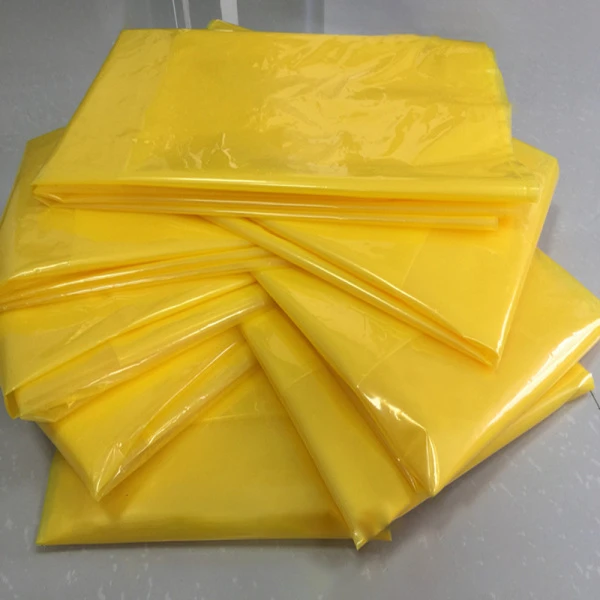
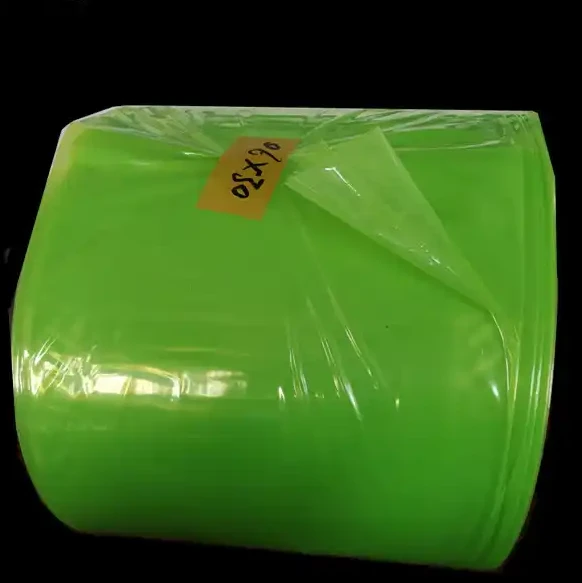
Now, let's compare Blue Anti Rust Bags with other types of anti - rust bags we offer. We also have Green Anti Rust Bags and Yellow Anti Rust Bags. Each type of bag has its own specific formulation of VCIs, which are optimized for different types of metals and storage conditions.
The Green Anti Rust Bags are often used for more general - purpose protection of a variety of metals. They may be a good alternative if you have a mix of copper and other metals in your storage. The VCIs in these bags are designed to provide a balanced protection for different metal surfaces.
The Yellow Anti Rust Bags, on the other hand, are formulated for more heavy - duty protection. They are typically used in more harsh environments or for long - term storage of high - value metal items. If you have copper items that are going to be stored in a very challenging environment, the Yellow Anti Rust Bags might be a better choice.
In conclusion, Blue Anti Rust Bags can be used on copper to prevent corrosion. They offer a convenient and cost - effective way to protect your copper items during storage and transportation. But remember to consider the factors like copper purity, storage environment, and duration of storage.
If you're in the market for anti - rust solutions for your copper items or other metal products, we'd love to hear from you. Whether you need Blue Anti Rust Bags, Green Anti Rust Bags, or Yellow Anti Rust Bags, we can provide you with the right products and advice. Reach out to us to start a conversation about your specific requirements. We're here to help you keep your metals in top - notch condition!
References:
- "Corrosion of Metals: Principles, Prevention, and Protection" by David A. Jones
- "Handbook of Corrosion Data" by Bruce D. Craig


