


Hey there! As a supplier of biodegradable bags, I've been getting a lot of questions lately about how these bags stack up against reusable plastic bags when it comes to environmental impact. So, I thought I'd take some time to break it down for you.
Let's start with the basics. Reusable plastic bags have been around for a while, and they've been hailed as a more eco - friendly alternative to single - use plastic bags. The idea is simple: instead of using a plastic bag once and throwing it away, you use the same bag multiple times. This reduces the overall amount of plastic waste going into landfills and the environment.
On the other hand, biodegradable bags are designed to break down naturally over time. They're made from materials that can be decomposed by microorganisms like bacteria and fungi. This means that if they end up in the environment, they won't stick around for hundreds of years like traditional plastic bags.
Production and Resource Use
When it comes to production, reusable plastic bags usually require more resources upfront. They're often made from high - density polyethylene (HDPE) or other durable plastics. The manufacturing process of these plastics involves extracting and refining fossil fuels, which is a non - renewable resource. It also consumes a significant amount of energy and water.
Biodegradable bags, however, can be made from a variety of materials. Some are derived from plant - based sources like corn starch, sugarcane, or potato starch. These materials are renewable, which means we can keep growing more of them. The production of biodegradable bags generally has a lower carbon footprint compared to reusable plastic bags, especially when the plant - based materials are sourced locally.
For example, a study by the Environmental Protection Agency (EPA) found that the production of plant - based biodegradable plastics emits fewer greenhouse gases than the production of traditional plastics. This is because plants absorb carbon dioxide during their growth, offsetting some of the emissions produced during the manufacturing process.
Lifespan and Usage
Reusable plastic bags are designed to last a long time. They can withstand multiple uses, sometimes up to hundreds of times. This is great for reducing waste in the long run. But here's the catch: many people don't actually use their reusable bags as often as they should. A survey showed that a significant number of consumers forget to bring their reusable bags to the store, and end up using single - use bags instead.
Biodegradable bags are typically used for single - use purposes, like carrying groceries or disposing of waste. While they're not as durable as reusable plastic bags, they serve their purpose well for short - term use. And when they're no longer needed, they can break down naturally.
If you're looking for biodegradable bags for waste disposal, check out our Biodegradable Bin Bags. They're strong enough to hold your trash and will break down over time, reducing the amount of waste in landfills.
End - of - Life Disposal
One of the biggest advantages of biodegradable bags is their end - of - life disposal. When they're discarded in a composting environment, they can break down into natural substances like water, carbon dioxide, and biomass within a relatively short period. This process enriches the soil and doesn't contribute to long - term pollution.
Reusable plastic bags, on the other hand, can be a problem when they reach the end of their lifespan. Even though they're designed to be durable, they will eventually wear out. If they're not recycled properly, they can end up in landfills or the ocean. Plastic bags in the ocean pose a serious threat to marine life. Animals like turtles, seabirds, and fish often mistake plastic bags for food, which can lead to ingestion and entanglement.
Environmental Impact in Different Settings
In urban areas, reusable plastic bags can be a good option if people are diligent about using them. They can help reduce the amount of single - use plastic waste in the city. However, in areas with limited recycling facilities, biodegradable bags might be a better choice.
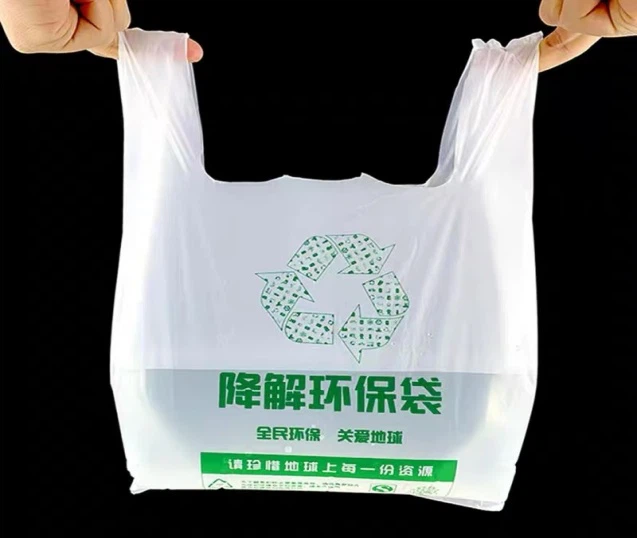
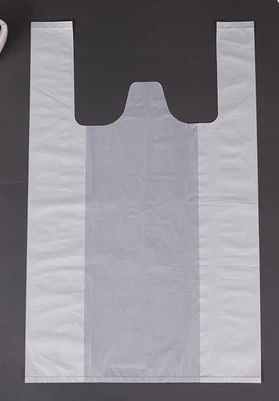
For example, in rural areas or developing countries where recycling infrastructure is not well - developed, biodegradable bags can break down naturally without causing long - term environmental damage. They're also a great option for outdoor events or picnics, where proper waste disposal might be a challenge.
We offer a wide range of biodegradable bags, including Biodegradable Plastic Bags and Vest - style Biodegradable Bags. These bags are suitable for various applications and are a great alternative to traditional plastic bags.
Cost Considerations
Cost is another factor to consider. Reusable plastic bags are usually more expensive to buy initially. But because they can be used multiple times, the cost per use is relatively low. Biodegradable bags, on the other hand, can be more affordable in some cases, especially when you consider the environmental benefits.
As a biodegradable bag supplier, we're constantly working to make our products more cost - effective. We believe that everyone should have access to eco - friendly alternatives without breaking the bank.
Which One Should You Choose?
So, which is better: biodegradable bags or reusable plastic bags? Well, it depends on your lifestyle and needs. If you're someone who is very organized and always remembers to bring your reusable bags, then reusable plastic bags might be a good option for you. They can significantly reduce your plastic waste over time.
But if you're looking for a more convenient and environmentally friendly option for single - use purposes, or if you live in an area with limited recycling facilities, then biodegradable bags are the way to go. They offer a great balance between functionality and environmental responsibility.
Let's Talk Business
If you're interested in purchasing biodegradable bags for your business or personal use, I'd love to have a chat with you. We can discuss your specific requirements, such as bag size, thickness, and quantity. Our biodegradable bags are of high quality and meet all the necessary environmental standards.
Whether you're a grocery store looking for an eco - friendly alternative to single - use bags, or a household wanting to reduce your carbon footprint, we've got you covered. Contact us to start the conversation about how our biodegradable bags can benefit you and the environment.
References
- Environmental Protection Agency (EPA). "Life Cycle Assessment of Biodegradable Plastics."
- Survey on Consumer Use of Reusable Bags. [Research Institution Name]
- Study on Greenhouse Gas Emissions in Plastic Production. [Research Institution Name]


