


When it comes to protecting your valuable metal items from rust and corrosion, Blue Anti Rust Bags are a reliable solution. As a supplier of these high - quality anti - rust bags, I often get asked the question: "How often should I replace Blue Anti Rust Bags?" In this blog post, I'll delve into the factors that influence the replacement frequency of these bags and provide you with some guidelines to help you make an informed decision.
Understanding the Function of Blue Anti Rust Bags
Blue Anti Rust Bags are made with a special formulation that releases volatile corrosion inhibitors (VCIs). These VCIs form a thin, protective layer on the surface of the metal inside the bag, preventing oxygen, moisture, and other corrosive elements from coming into contact with the metal. This protective layer is key to keeping your metal items rust - free for an extended period. You can learn more about Blue Anti Rust Bags on our website.
Factors Affecting Replacement Frequency
1. Storage Environment
The environment in which the Blue Anti Rust Bags are stored plays a significant role in determining how often they need to be replaced.
- Humidity: High humidity levels can accelerate the consumption of the VCIs in the bags. In areas with relative humidity above 60%, the VCIs may be depleted more quickly as they work harder to counteract the moisture. For example, in coastal regions where the air is often damp, you may need to replace the bags more frequently, perhaps every 3 - 6 months.
- Temperature: Extreme temperatures can also impact the performance of the bags. High temperatures can cause the VCIs to evaporate more rapidly, reducing their effectiveness. In a hot warehouse where temperatures regularly exceed 30°C, the anti - rust protection provided by the bags may degrade faster, and you may want to consider replacing them every 4 - 8 months. On the other hand, very cold temperatures can slow down the release of VCIs, but if the temperature fluctuates widely, it can still affect the overall performance of the bags.
2. Type of Metal
Different metals have different susceptibility to rust and corrosion.
- Ferrous Metals: Metals like iron and steel are highly prone to rusting. When using Blue Anti Rust Bags to protect ferrous metal items, the bags may need to be replaced more often compared to non - ferrous metals. For example, if you are storing steel tools in the bags, you might need to replace them every 6 - 12 months, depending on the storage environment.
- Non - Ferrous Metals: Metals such as aluminum, copper, and brass are less likely to rust, but they can still corrode under certain conditions. Blue Anti Rust Bags can also protect these metals, and the replacement interval may be longer, perhaps every 12 - 18 months in a normal storage environment.
3. Exposure to Contaminants
If the metal items stored in the Blue Anti Rust Bags are exposed to contaminants such as chemicals, dirt, or salt, the bags may need to be replaced more frequently. Chemicals can react with the VCIs and reduce their effectiveness. For instance, if you are using the bags to store metal parts in an industrial setting where there are chemical fumes, you may need to replace the bags every 3 - 6 months.
General Replacement Guidelines
Based on the above factors, here are some general guidelines for replacing Blue Anti Rust Bags:
- Ideal Conditions: In a clean, dry environment with relative humidity between 30% - 50% and temperatures between 15°C - 25°C, and when protecting non - ferrous metals, you can replace the Blue Anti Rust Bags every 12 - 18 months.
- Moderate Conditions: In an environment with slightly higher humidity (50% - 60%) or where the temperature fluctuates a bit, and when protecting ferrous metals, it is advisable to replace the bags every 6 - 12 months.
- Harsh Conditions: In high - humidity areas, extreme temperatures, or environments with contaminants, you should replace the bags every 3 - 6 months.
Comparing with Other Anti - Rust Bags
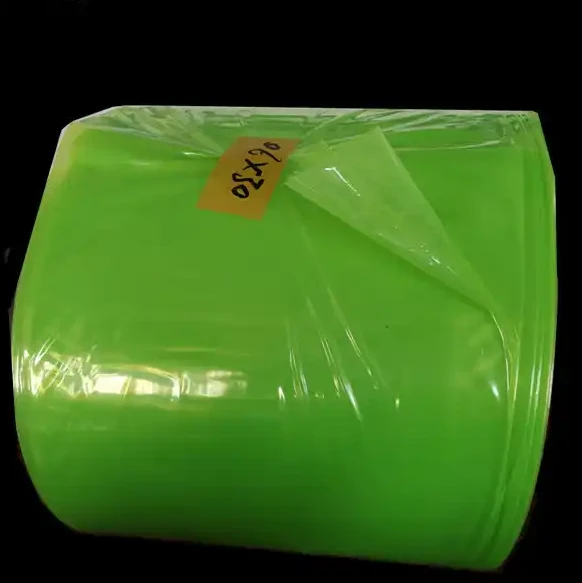
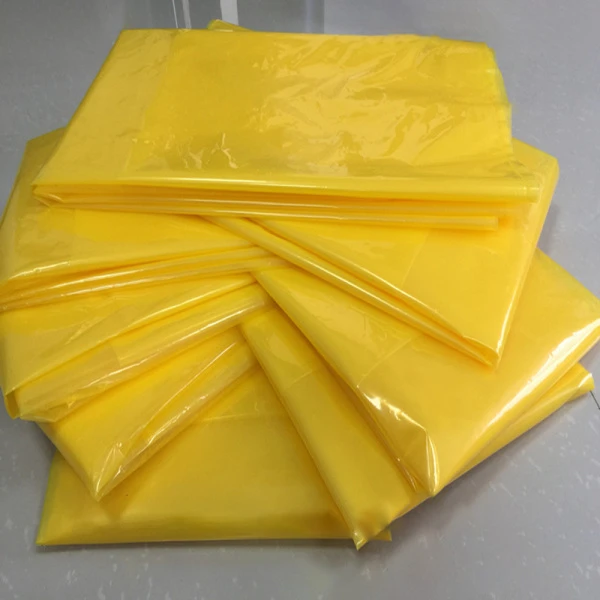
We also offer Green Anti Rust Bags and Yellow Anti Rust Bags. Each type of bag has its own characteristics and performance. Green Anti Rust Bags are often designed for more general - purpose use and may have a different VCI formulation. Yellow Anti Rust Bags may be optimized for specific types of metals or storage conditions. When choosing between different types of anti - rust bags, it's important to consider your specific needs and the factors mentioned above.
Monitoring the Bags
To determine if it's time to replace the Blue Anti Rust Bags, you can perform some simple checks.
- Visual Inspection: Look for signs of discoloration, damage, or degradation of the bags. If the bags are torn or have become brittle, they may no longer provide effective protection.
- Check the Metal Items: Inspect the metal items inside the bags for any signs of rust or corrosion. If you notice even a small amount of rust, it may be an indication that the VCIs in the bags have been depleted and it's time for a replacement.
Conclusion
The frequency of replacing Blue Anti Rust Bags depends on multiple factors, including the storage environment, the type of metal being protected, and exposure to contaminants. By understanding these factors and following the general guidelines provided, you can ensure that your metal items are well - protected from rust and corrosion.
If you are interested in purchasing Blue Anti Rust Bags or have any questions about their usage and replacement, please feel free to reach out to us. We are here to provide you with the best anti - rust solutions for your needs.
References
- "Corrosion Science and Engineering" by Robert Baboian
- "Handbook of Corrosion Engineering" by Pierre R. Roberge


